Sports Supplements Guide: Which Actually Work and Which Don't (2026)
Science-based analysis of the most popular supplements: creatine, whey protein, caffeine, BCAAs, glutamine and more.
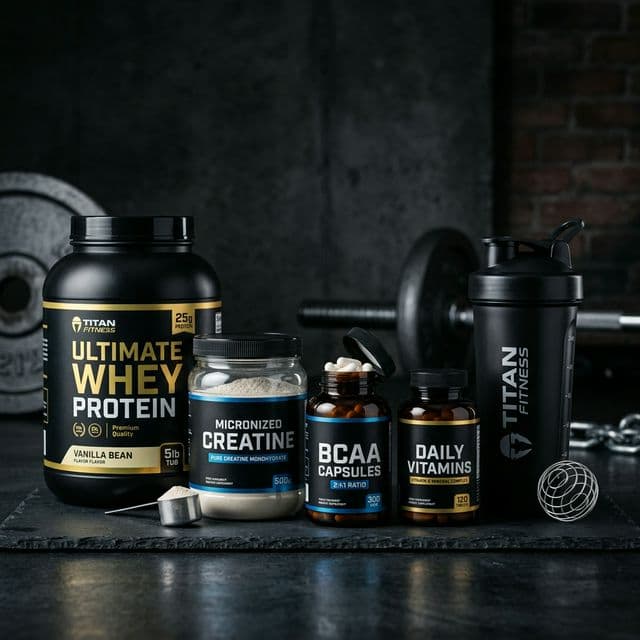
Do supplements really work?
The supplement industry generates billions of dollars annually, but only a handful of products have solid scientific evidence. This guide separates facts from marketing, based on peer-reviewed research.
Tier 1: Strong evidence
Creatine Monohydrate
The most studied supplement in sports science. Increases phosphocreatine stores in muscles, improving performance in high-intensity, short-duration efforts (sprinting, weightlifting). Proven benefits: +5–15% strength, better muscle recovery, may benefit cognitive function. Dose: 3–5g/day. No loading phase necessary.
Whey Protein
Convenient way to hit protein targets. Not magic — it's just protein. Advantages: fast absorption post-workout, complete amino acid profile, high leucine content (triggers muscle protein synthesis). Dose: use to supplement diet, not replace it.
Caffeine
The most consumed ergogenic substance in the world. Proven to improve endurance, strength, and focus. Dose: 3–6mg/kg body weight (200–400mg for most people) 30–60 minutes before training. Tolerance builds quickly — cycle usage.
Tier 2: Moderate evidence
Beta-Alanine
Increases carnosine in muscles, delaying fatigue in efforts of 1–4 minutes. Useful for HIIT and combat sports. The tingling sensation (paresthesia) is harmless. Dose: 3.2–6.4g/day, preferably split into smaller doses.
Citrulline Malate
Improves blood flow and reduces muscle soreness. May increase training volume. Dose: 6–8g taken 60 minutes before training.
Tier 3: Limited or no evidence
- BCAAs: Redundant if you already eat adequate protein. Save your money.
- Glutamine: Not necessary for people eating enough protein. Does not accelerate recovery in healthy athletes.
- Fat burners: The only active ingredient that works is caffeine. The rest is marketing.
- Testosterone boosters: No supplement legally available significantly raises testosterone levels.
Safety and quality
- Look for products certified by NSF, Informed Sport, or USP — third-party tested for banned substances.
- Supplements are not FDA-regulated with the same rigor as medications — buyer beware.
- If you're an athlete subject to anti-doping testing, only use certified products.
Was this article helpful?
Preguntas Frecuentes
Yes. Creatine monohydrate is one of the safest and most studied supplements in sports science. It is safe for healthy adults at recommended doses.
Only if you can't meet your protein needs through food alone. Whole food sources are always preferable, but shakes are a convenient supplement.





![Top 20 High-Protein Foods per 100g [2026 Ranking]](/_next/image?url=%2Fimages%2Farticle-top20-proteinas.png&w=828&q=75)