Complete Protein Guide: Everything You Need to Know in 2026
How much protein you need per day, best sources, myths and facts. The most complete protein guide.
What are proteins?
Proteins are essential macronutrients made up of chains of amino acids. They are fundamental for muscle building and repair, enzyme and hormone production, and proper immune system function. Unlike fats and carbohydrates, your body cannot store proteins, so you need a constant supply throughout the day.
How much protein do you need per day?
The amount varies depending on your goal and activity level:
| Profile | g/kg body weight | Example (176 lbs / 80 kg) |
|---|---|---|
| Sedentary | 0.8g | 64g/day |
| Recreational athlete | 1.2–1.6g | 96–128g/day |
| Muscle gain | 1.6–2.2g | 128–176g/day |
| Fat loss | 1.8–2.4g | 144–192g/day |
| Older adult (>65) | 1.0–1.2g | 80–96g/day |
Best protein sources
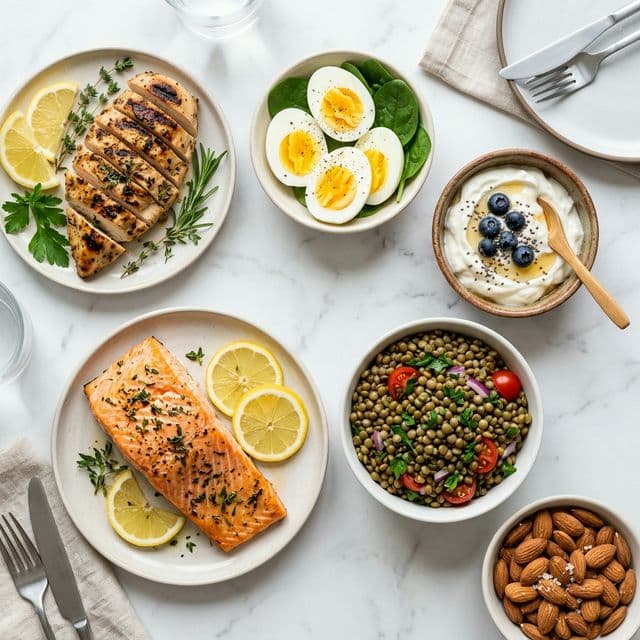
Not all proteins are equal. These are the top sources with the best quality-to-cost ratio:
| Food | Protein/100g | Calories | Quality |
|---|---|---|---|
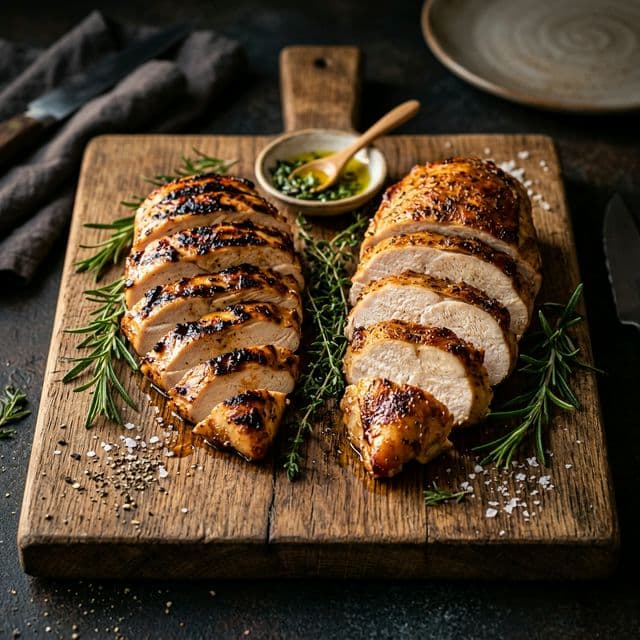
| Chicken breast | 31g | 165 kcal | ⭐⭐⭐⭐⭐ |
| Salmon | 20g | 208 kcal | ⭐⭐⭐⭐⭐ |
| Eggs | 13g | 155 kcal | ⭐⭐⭐⭐⭐ |
| Greek yogurt | 9g | 59 kcal | ⭐⭐⭐⭐ |
| Lentils | 9g | 116 kcal | ⭐⭐⭐⭐ |
| Firm tofu | 8g | 76 kcal | ⭐⭐⭐ |
Plant vs animal proteins
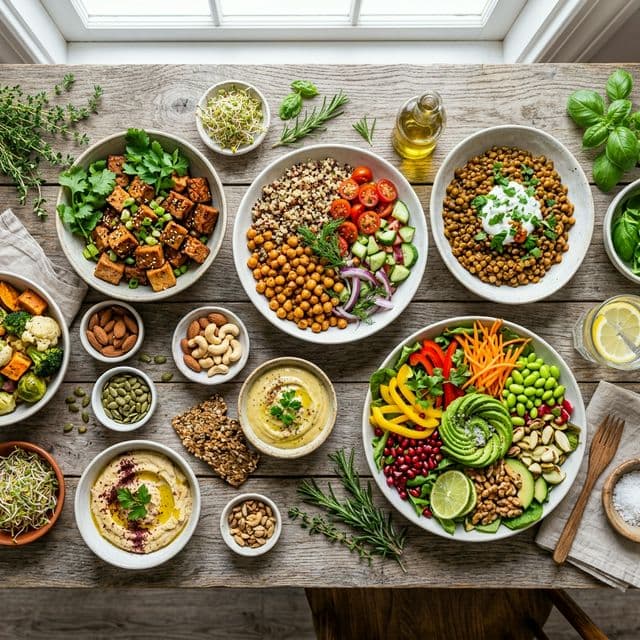
Animal proteins are complete (they contain all essential amino acids), while most plant proteins are incomplete. However, combining legumes with grains (e.g., lentils with rice) provides a complete profile. This doesn't need to happen in the same meal — combining throughout the day is enough.
Does protein timing matter?
Less than you think. The post-workout "anabolic window" is much wider than previously believed (up to 4–6 hours). What truly matters:
- Spread protein across 3–5 meals per day (20–40g per meal)
- Hitting your daily total matters more than specific timing
- Consuming protein before bed (casein) may benefit recovery
5 protein myths debunked
- "Protein damages kidneys" — In healthy people, there is no evidence of kidney damage at high intakes (up to 2.5g/kg).
- "You can only absorb 30g per meal" — False. Your body absorbs all the protein you eat; it just processes it more slowly.
- "Plant protein is inferior" — Partially true. It has lower bioavailability, but combining sources equalizes quality.
- "More protein = more muscle" — Above 2.2g/kg, more protein offers no additional hypertrophy benefit.
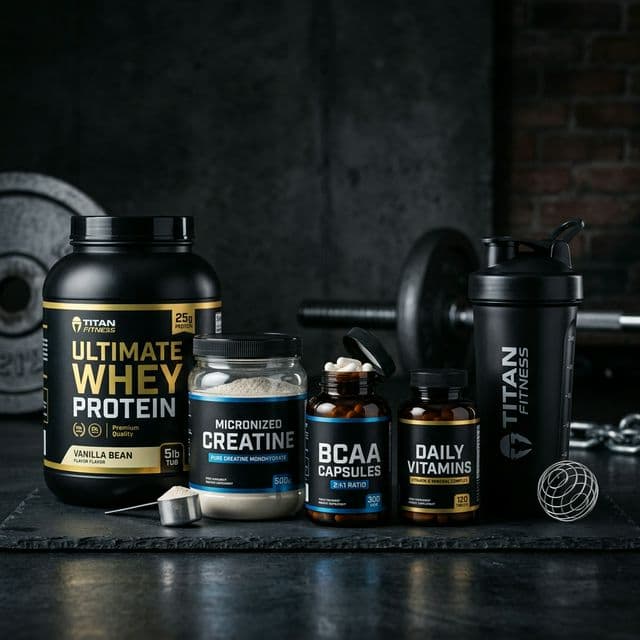
- "Shakes are better than food" — No. Protein shakes are a convenience tool, not superior to real food.
Example day with 160g protein
- Breakfast: 3 scrambled eggs + whole grain toast + Greek yogurt (35g protein)
- Lunch: 200g chicken breast + rice + vegetables (62g protein)
- Snack: Whey shake + banana (28g protein)
- Dinner: 150g salmon + potato + salad (35g protein)
Total: ~160g protein — ideal for a 165–175 lb adult who trains regularly.
Was this article helpful?
Preguntas Frecuentes
Proteins alone don't cause weight gain. They are the most satiating macronutrient and have a high thermic effect, meaning your body burns more energy digesting them.
In healthy people with normal kidneys, consuming up to 2.5g/kg of body weight per day is safe according to current scientific evidence.
Whey protein is the most studied and effective. For vegans, a combination of pea and rice protein is an excellent alternative.
![Top 20 High-Protein Foods per 100g [2026 Ranking]](/_next/image?url=%2Fimages%2Farticle-top20-proteinas.png&w=828&q=75)