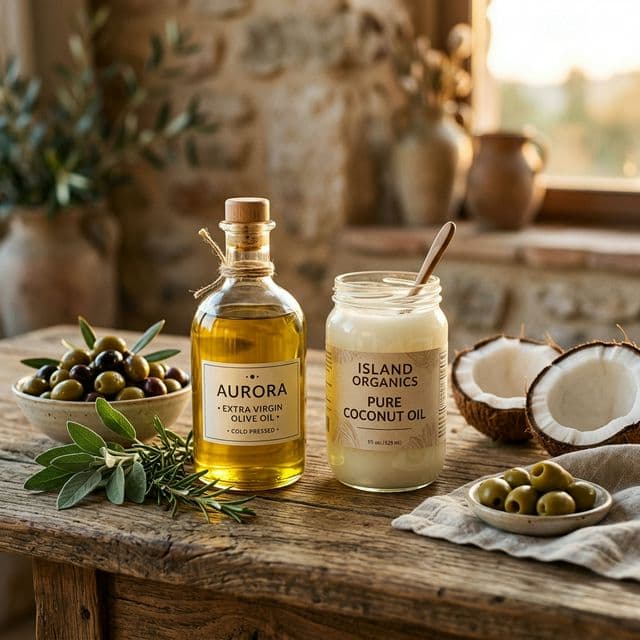
Olive Oil vs Coconut Oil: Which is Better for Cooking and Health?
We compare extra virgin olive oil with coconut oil: smoke point, fats, benefits and culinary uses.
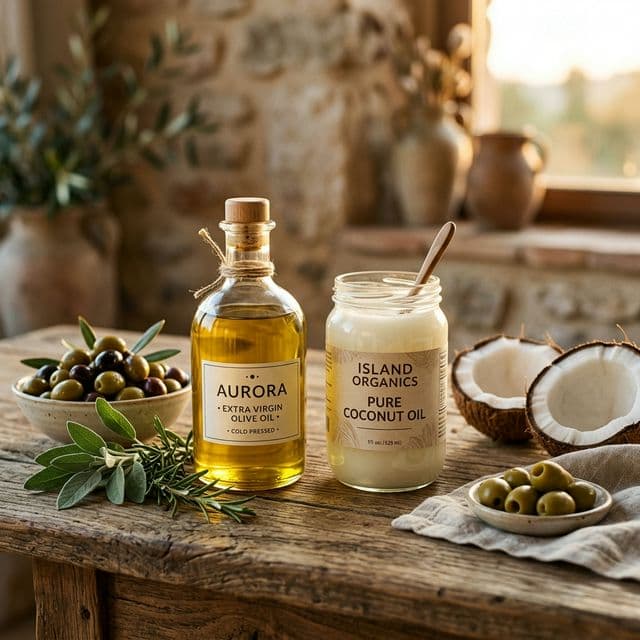
Nutritional comparison (per 100ml)
| Nutrient | Extra Virgin Olive Oil | Coconut Oil |
|---|---|---|
| Calories | 884 kcal | 862 kcal |
| Total fat | 100g | 100g |
| Saturated fat | 14g | 87g |
| Monounsaturated | 73g | 6g |
| Polyunsaturated | 11g | 2g |
| Smoke point | 190–210°C (374–410°F) | 175–205°C (350–400°F) |
Extra Virgin Olive Oil: the gold standard
EVOO is the cornerstone of the Mediterranean diet, associated with the longest life expectancies in the world. Its high oleic acid (monounsaturated fat) content:
- Reduces LDL (bad) cholesterol without lowering HDL (good)
- Has anti-inflammatory properties (oleocanthal acts similarly to ibuprofen)
- Rich in polyphenols and vitamin E — powerful antioxidants
- Associated with reduced risk of cardiovascular disease, type 2 diabetes, and Alzheimer's
Coconut Oil: the claims vs the evidence
Coconut oil is 87% saturated fat — more than butter (63%) or lard (39%). The main argument in its favor is that it contains medium-chain triglycerides (MCTs), which are metabolized differently and may slightly boost metabolism. However:
- The MCT content of most coconut oils is only 15–20% — most is lauric acid, which behaves more like long-chain saturated fat
- The American Heart Association recommends limiting saturated fat, and coconut oil raises LDL cholesterol
- Claimed benefits (weight loss, brain health) need much stronger evidence
Which to use for cooking
- Olive oil: Sautéing, roasting, salad dressings, marinades — use for almost everything
- Coconut oil: Baking when you want a subtle coconut flavor, Thai/Indian cooking where it's traditional
Verdict
Olive oil is the clear winner for daily health use, backed by decades of research. Coconut oil can be used occasionally for specific culinary purposes, but should not replace olive oil as a primary cooking fat.
Was this article helpful?
Preguntas Frecuentes
Yes, extra virgin olive oil handles home frying temperatures (up to 180°C / 356°F) well. It's more stable than many seed oils.